Moveable Type Studio x Shelbyville Bookbinding
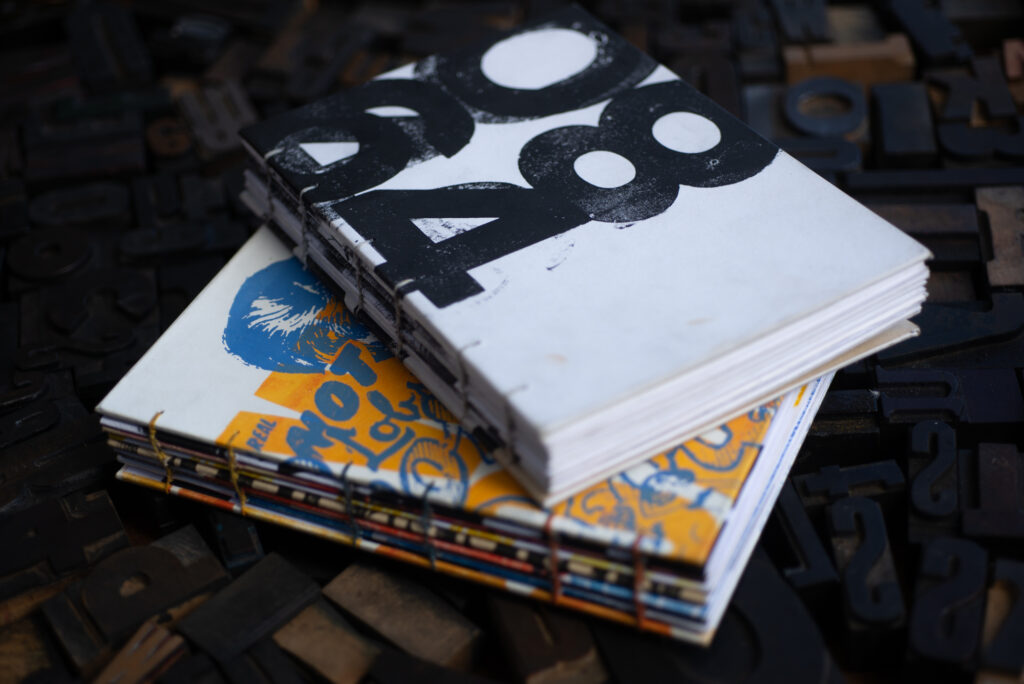
Over one hot, stormy Brisbane weekend, Moveable Type Studio partnered with bookmaker Michelle Vandermeer of Shelbyville Bookbinding to deliver a two-day workshop introducing participants to the slow, deliberate craft of letterpress printing and Coptic bookbinding. What unfolded was an ambitious, rewarding, and deeply hands-on experience that reminded all of us why heritage processes endure, and why they’re worth preserving.
Day One: Letterpress with Moveable Type Studio
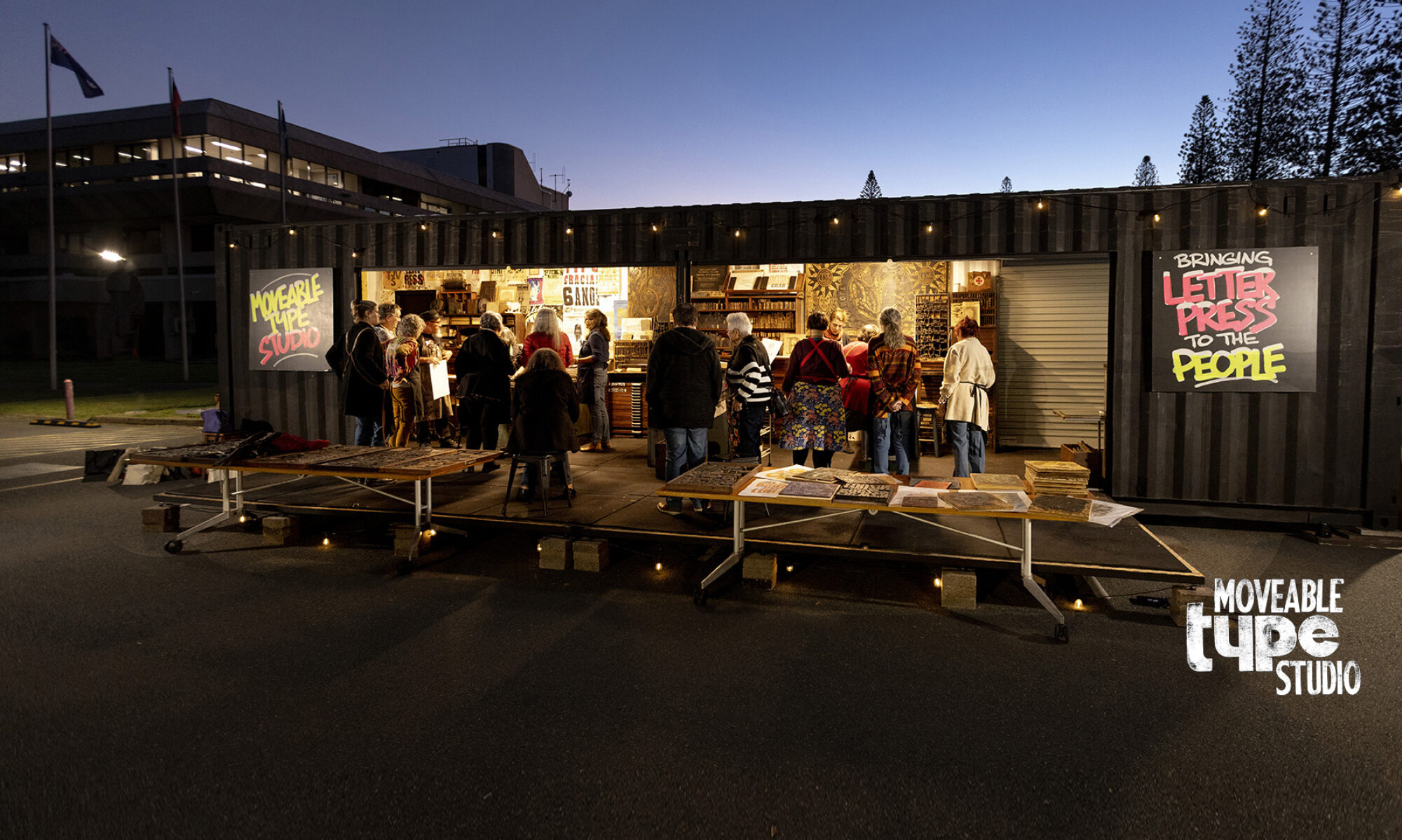
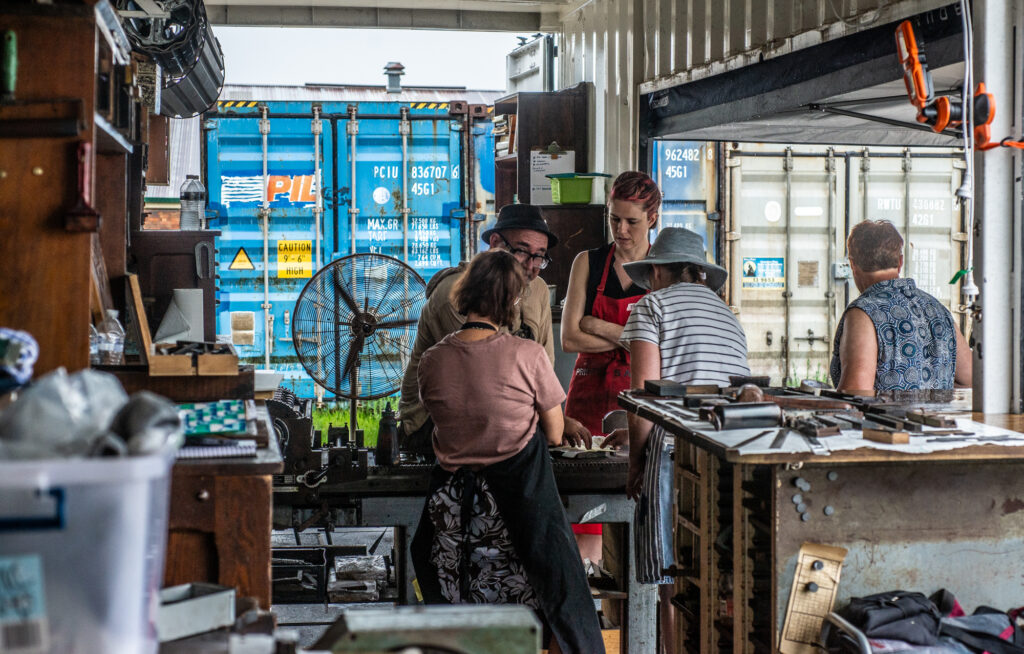
Saturday was hosted within the Moveable Type shipping-container studio at the Paint Factory. Despite the heat, our participants arrived ready to learn, experiment, and persevere.
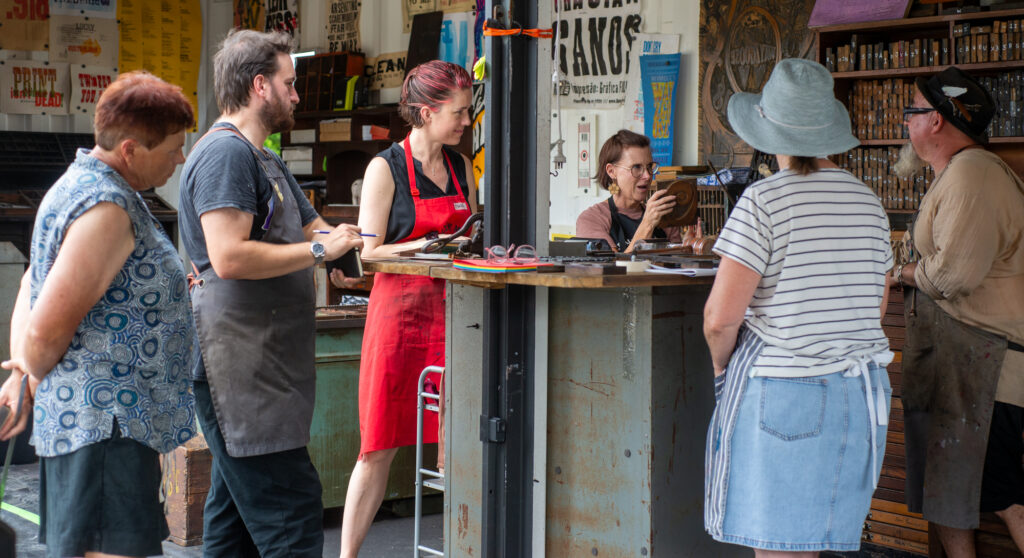
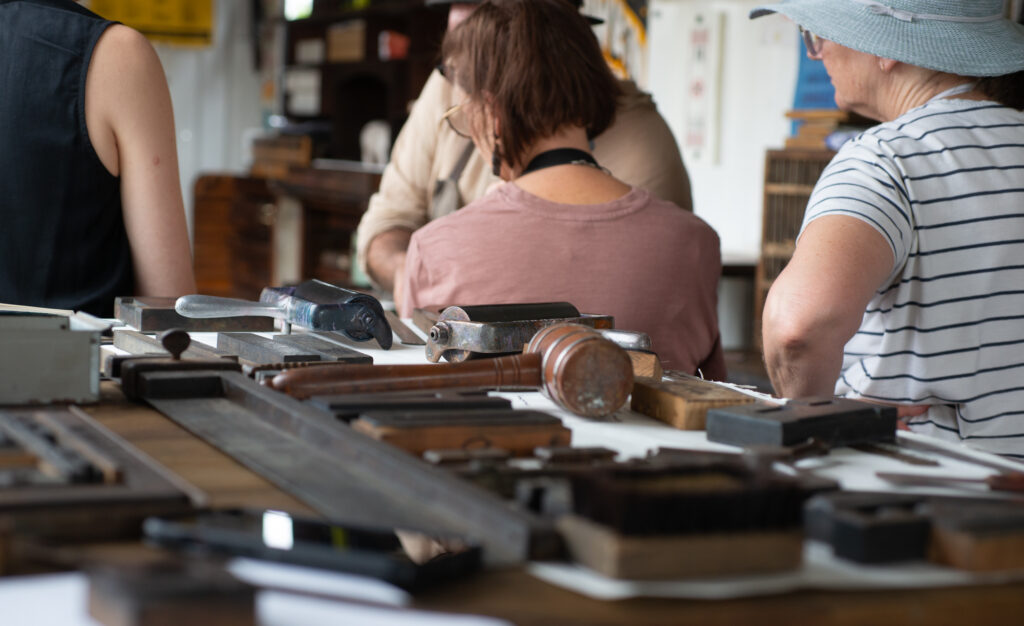
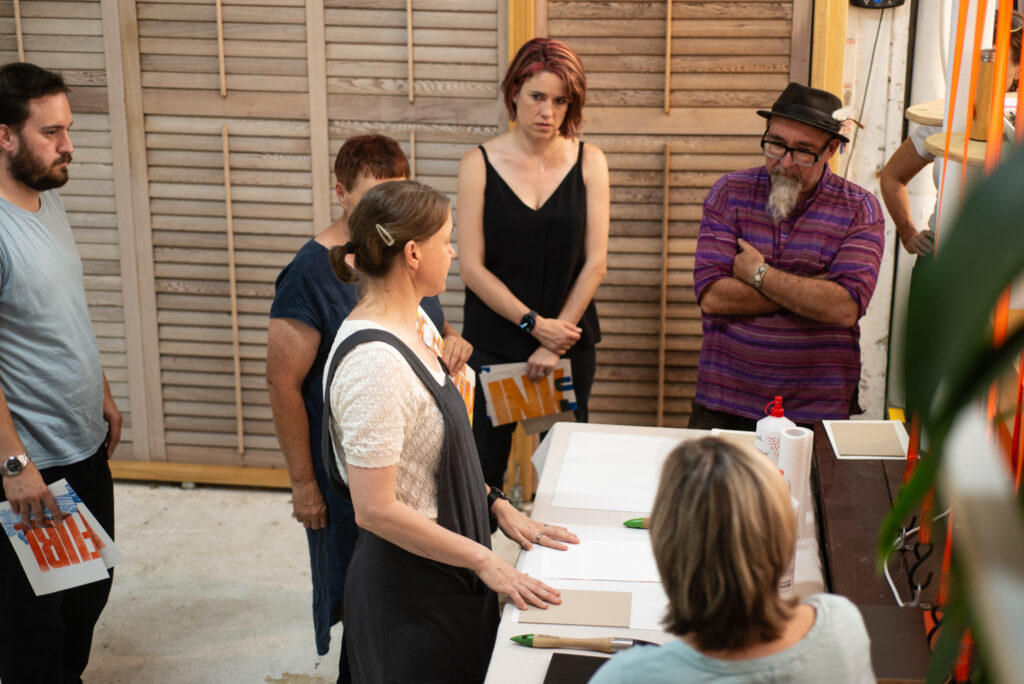
Clint led the foundational session on letterpress: understanding points and picas, the differences between wood and lead type, lock-ups, composition, and the realities of setting type by hand. Meanwhile, Barnaby Florence and Dzintra Menesis kept the presses running so participants could focus on making work rather than waiting for ink to dry.
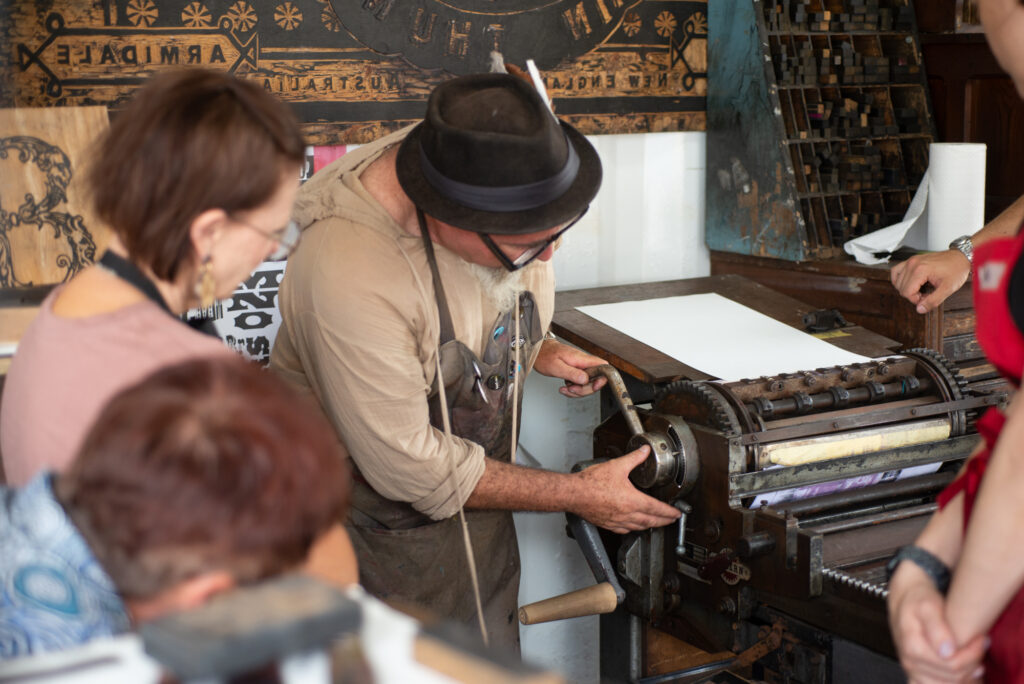
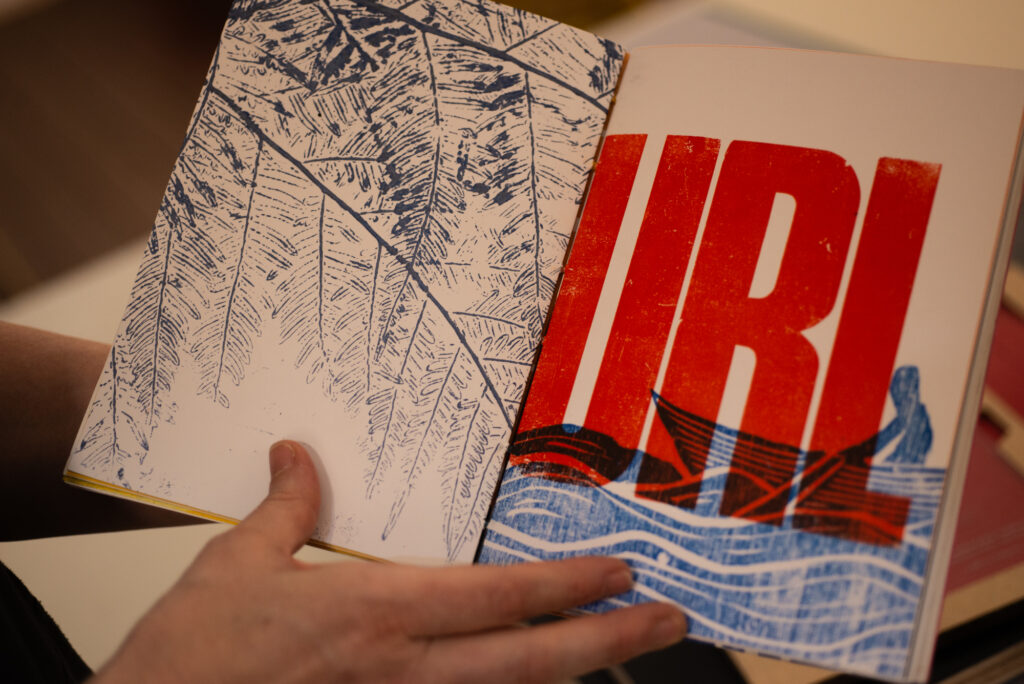
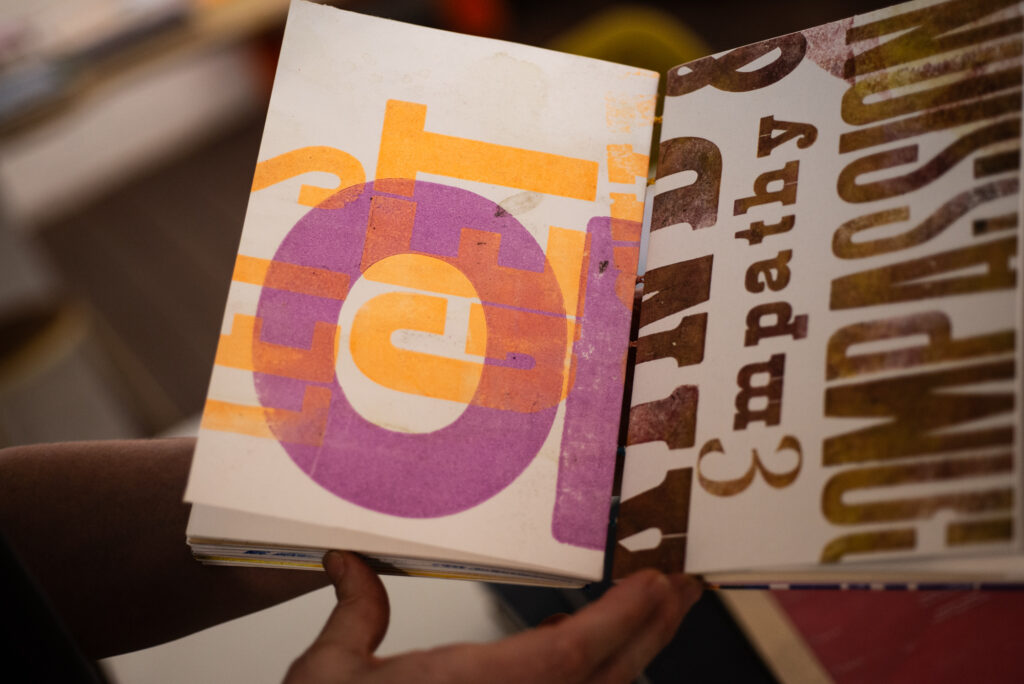
Our aim was ambitious, produce enough prints to give everyone a meaningful selection of colour spreads for the next day’s bookbinding. By the end, we had created around seven print designs, five of which were entirely designed and printed by the participants themselves. Many came from craft-based backgrounds, relief printmaking, quilting, mixed media, and it was inspiring to watch them translate those understandings into compositional and colour decisions in letterpress.
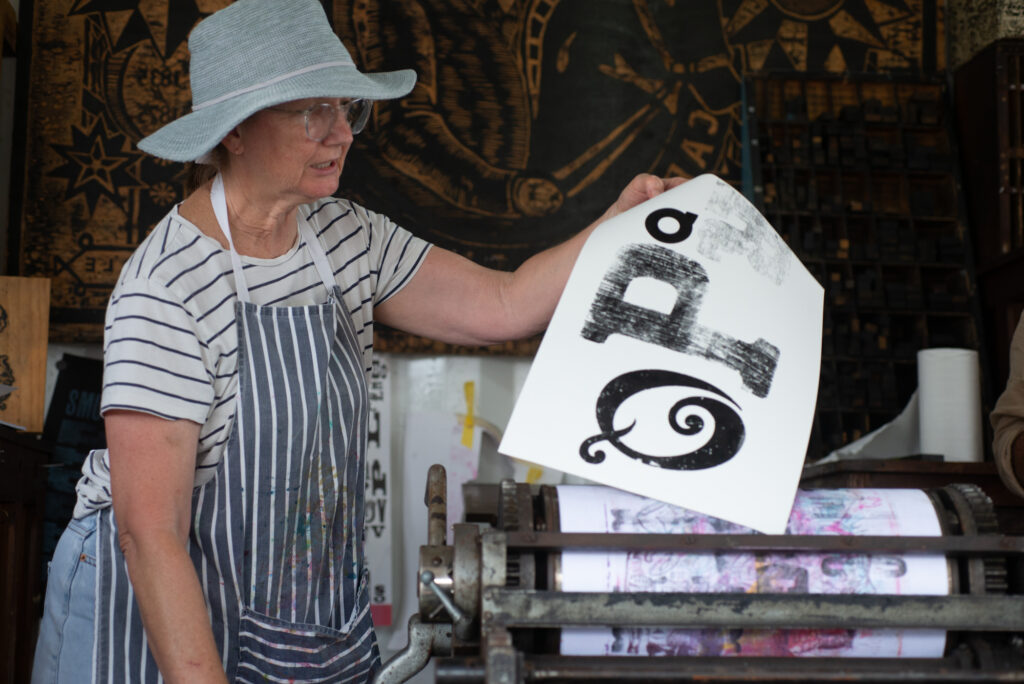
Everyone left exhausted, ink-stained, and genuinely excited to see their work transformed into books the next day. The heat at least worked in our favour: fast drying times meant all prints were ready to cut down and bind.
Day Two: Coptic Bookbinding with Shelbyville Bookbinding
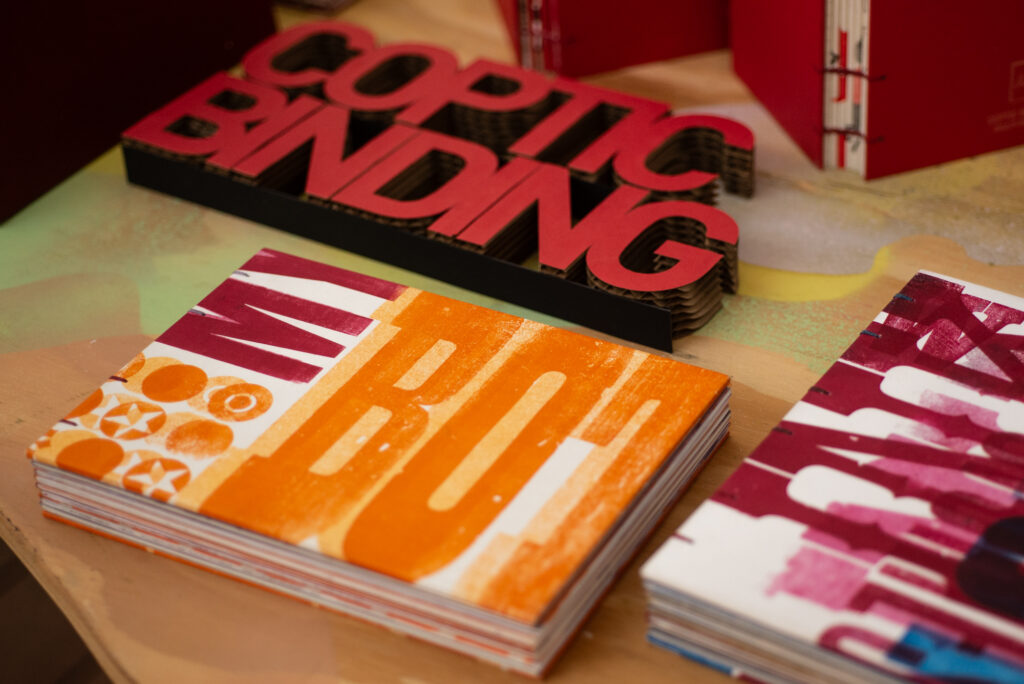
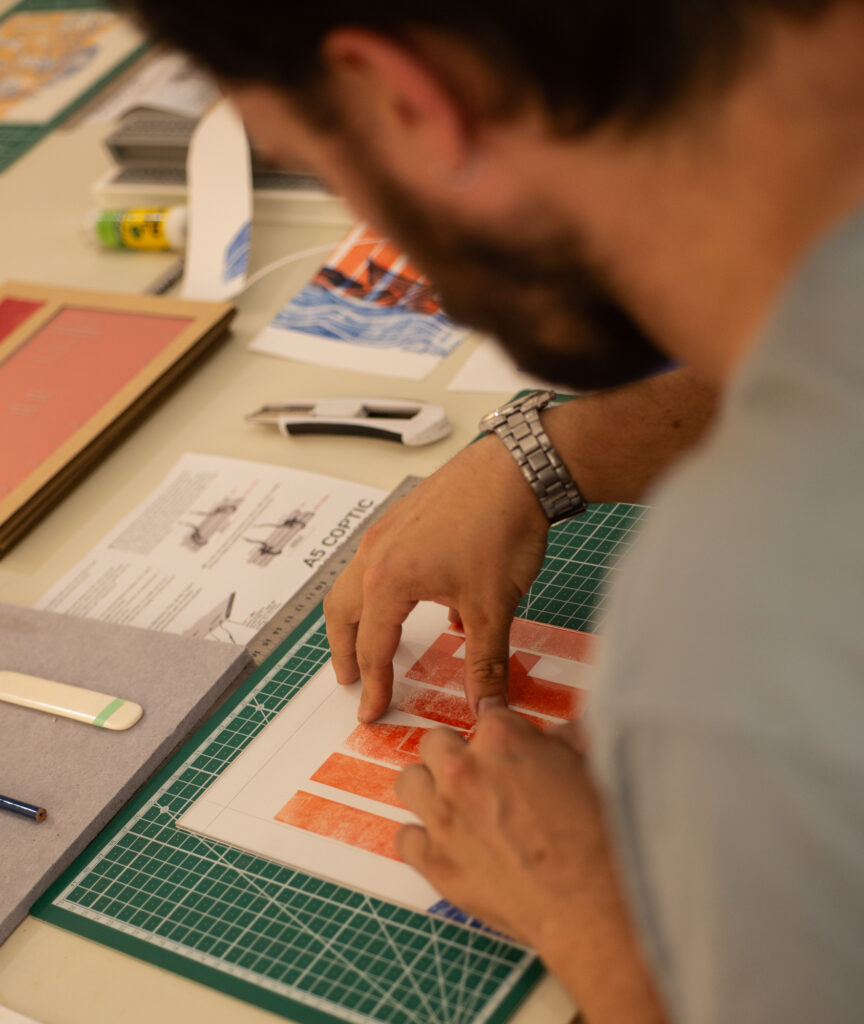
On Sunday, we shifted into Michelle Vandermeer’s studio for a five-hour deep dive into Coptic bookbinding. Michelle guided the group through constructing a seven-section book using the prints from Day One, cut down to size and reorganised into thoughtful sequences.
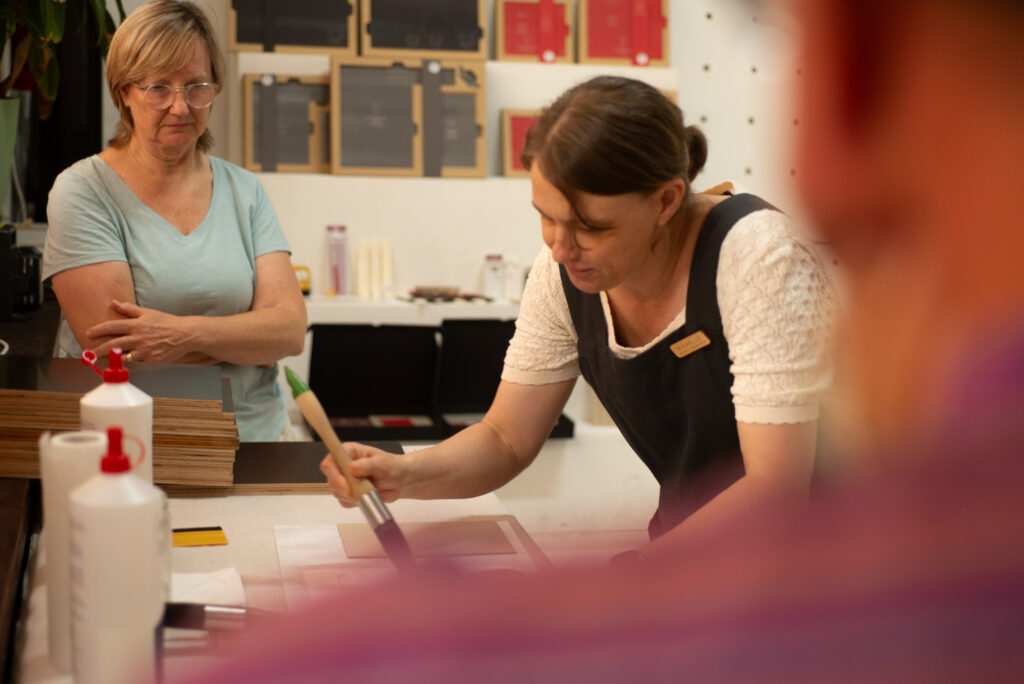
Her teaching approach, patient, precise, and generous, contrasted beautifully with the energy of the previous day’s printing. For Moveable Type Studio, this was our first time fully participating in the bookbinding process ourselves, sitting shoulder-to-shoulder with the same people who had printed in the heat with us the day before. It was grounding, humbling, and incredibly informative.
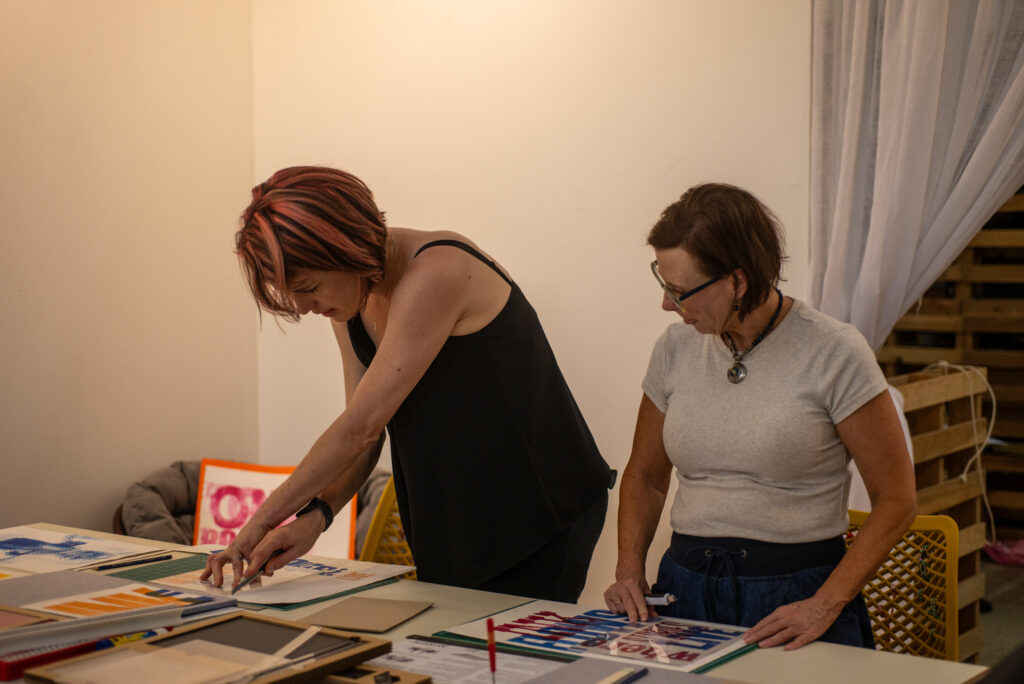
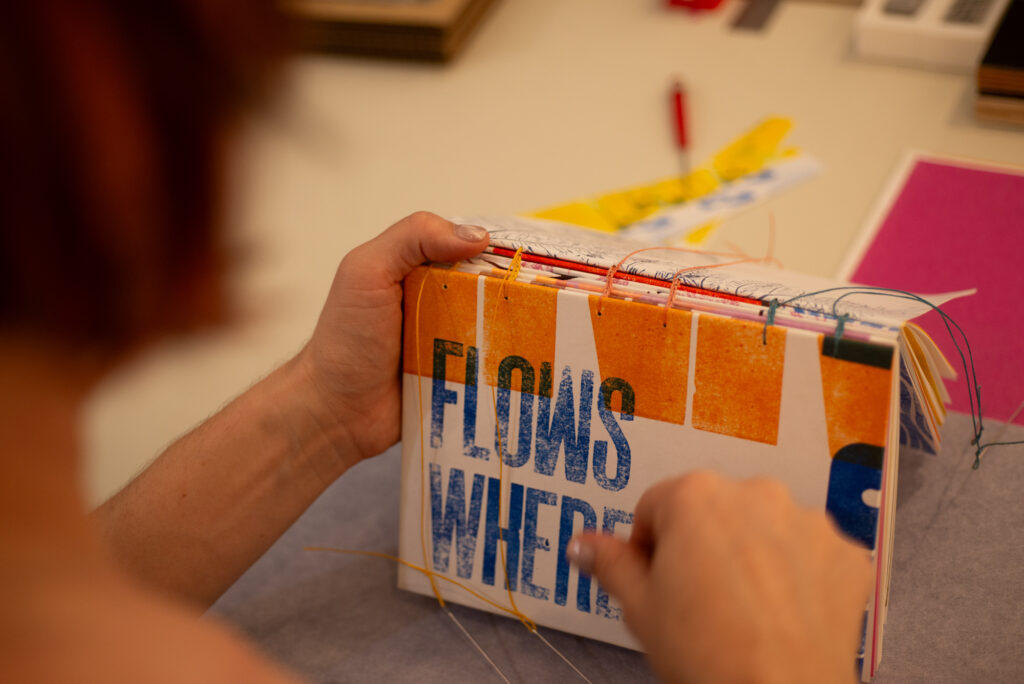
By the end of the session, everyone walked away with a completed Coptic-bound book , and a real appreciation for the slowness of the method. Many of our participants work full-time, some with families, yet they committed to the full weekend. Their dedication reinforced how important these heritage crafts are, not only as creative practices but as spaces for slowing down, focusing, and reconnecting with process.
Why This Workshop Worked:
A few reflections stood out clearly:
Intentional slowness matters.
Letterpress and Coptic binding both demand patience. That patience created the depth of engagement.
Participants were genuinely committed.
The weather alone could have chased people off. It didn’t.
The two processes complement each other.
Printing one day and binding the next created a fulfilling, closed-loop experience.
Michelle’s teaching elevated the weekend.
Her clarity, structure, and experience balanced our more energetic print day perfectly.
We learned alongside participants.
As bookbinding beginners ourselves, sharing the experience strengthened the studio’s connection to the people we teach.
Looking Ahead
This workshop confirmed that there’s real potential for longer-term, term-based engagement: opportunities for participants to visit the studio throughout the year, build a body of printed work, and later assemble it into books with Michelle. There’s scope to incorporate other art forms into these volumes as well, creating multi-layered “creative field journals” that document a year in making.
This two-day workshop affirmed what we’ve believed for a long time: heritage craft thrives when it’s shared, slowed down, and integrated into everyday creative practice. And we’re excited to continue refining, expanding, and collaborating so more people can experience it.